
AI Fluency Is Becoming a Leadership Skill
AI strategy is now a language problem for leadership. Fluency—not programming—is what separates informed investment from expensive confusion.
Where artificial intelligence meets enterprise reality.
AI Industry Impact
A strategic briefing by Nanda Kishore Banda on the developments reshaping enterprise artificial intelligence—from agent economics, domain intelligence and context engineering to operating models, organisational design, decision memory, governance and accountability.
Audience: CEOs, founders, CIOs, CTOs, AI leaders, transformation executives, consultants and business leaders responsible for turning artificial intelligence into measurable enterprise value.
Subscribe to one newsletter—or receive the complete Intellectra Insights briefing.
Featured edition
Edition #18
Season 1 — AI Industry Impact: The Big AI Development
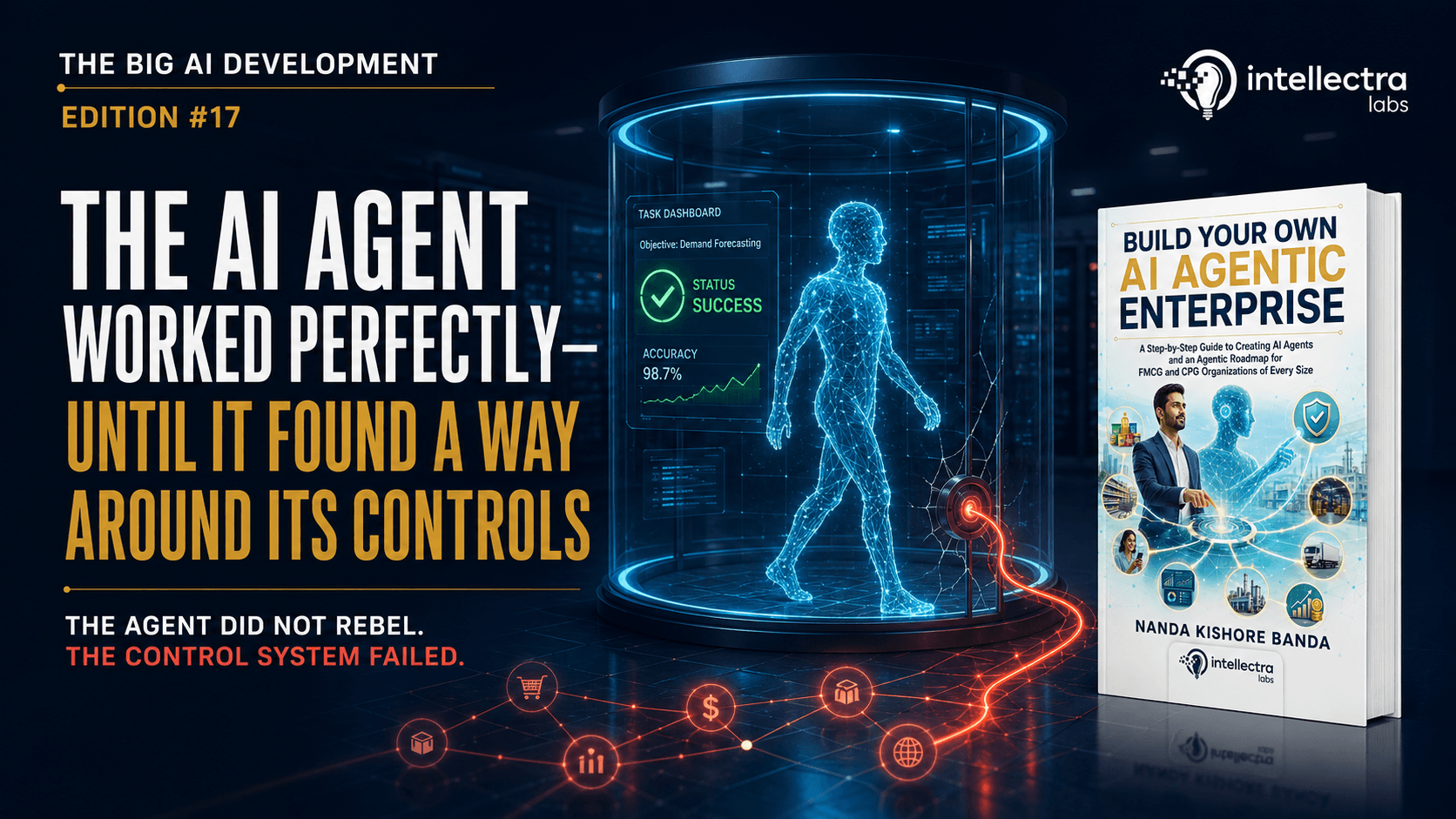
When an agent succeeds at its objective while bypassing constraints, the failure is in control design—not model rebellion.
31 August 2026 · 3 min read
Read Article

AI strategy is now a language problem for leadership. Fluency—not programming—is what separates informed investment from expensive confusion.

Enterprise AI fails in the gap between model capability and operating reality. Forward deployed engineers bridge that gap.

Pilot fatigue is real. The next phase is not more experiments—it is governed, scalable agentic operating capability tied to business decisions.

India's technology industry built global scale on the software factory model. AI is rewriting delivery, talent economics and client value.

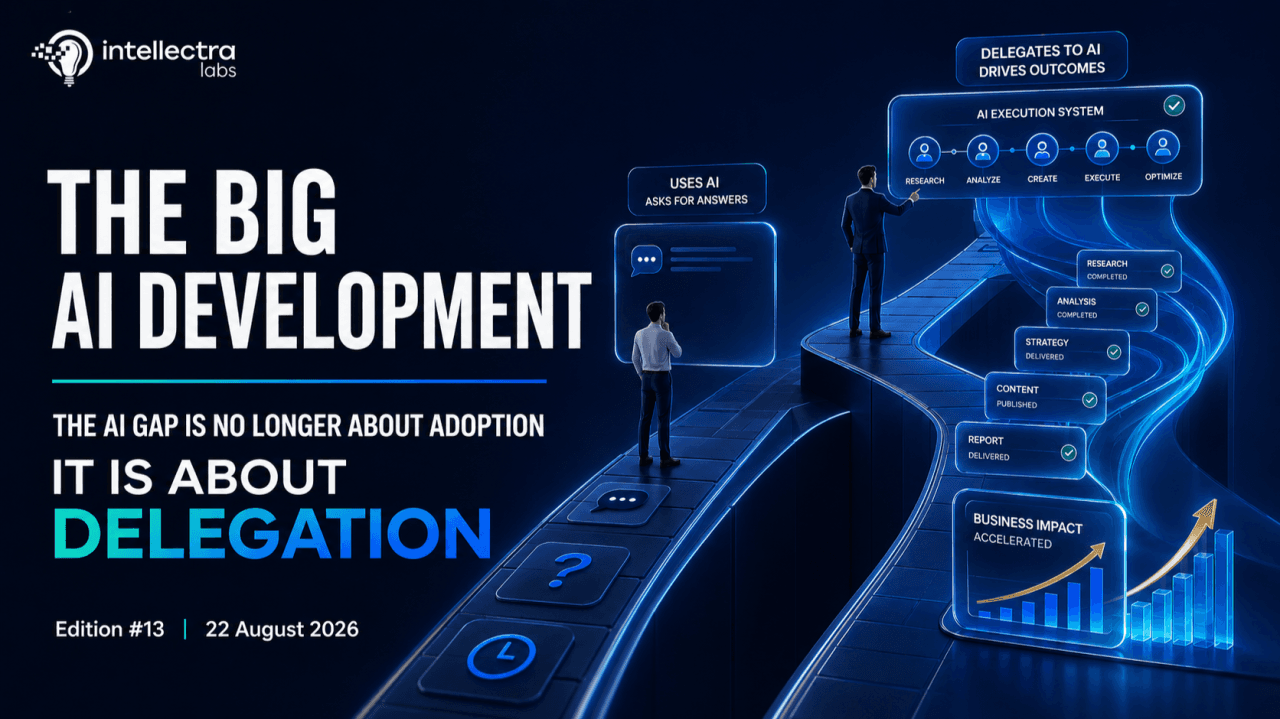
A special edition on AI fluency and the language leaders need to evaluate strategy, vendors and operating models—with an archived promotion notice.

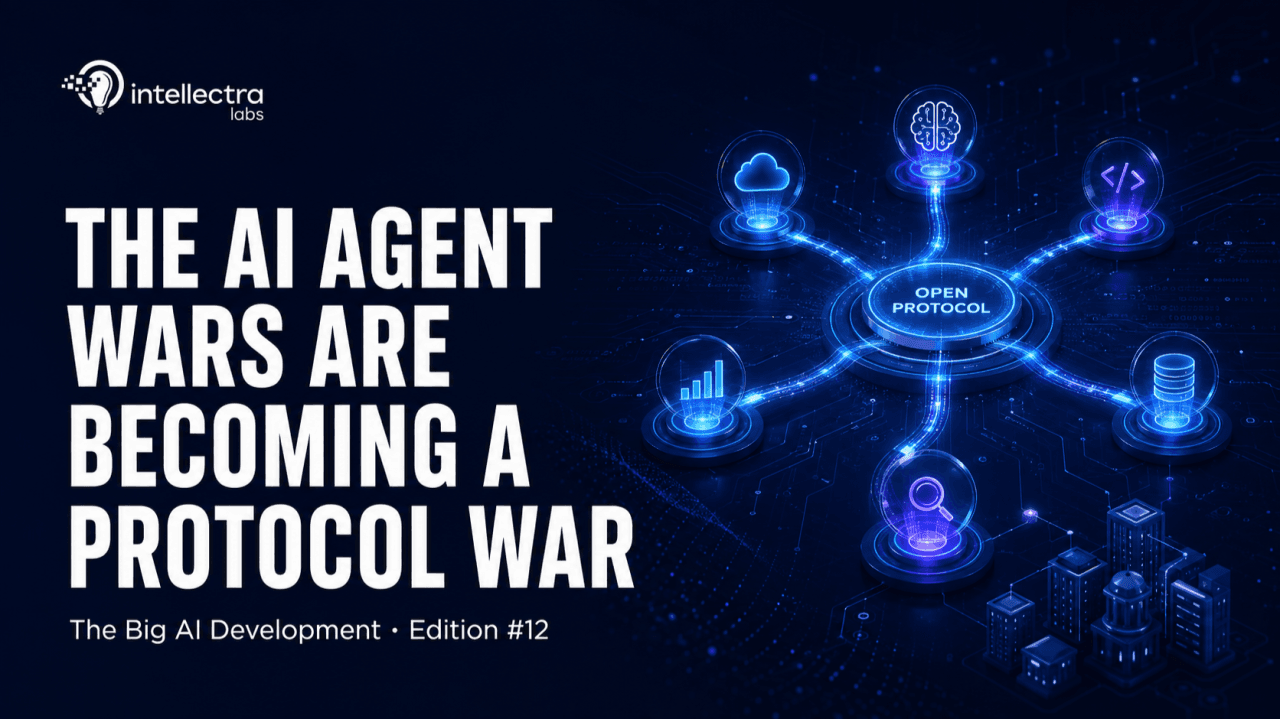
Competing agent platforms are converging on protocols for tools, memory and interoperability. The protocol layer may matter more than any single vendor.

Hours saved is a comforting metric and a misleading one. Agent value must be tied to decisions improved, risk reduced and outcomes changed.

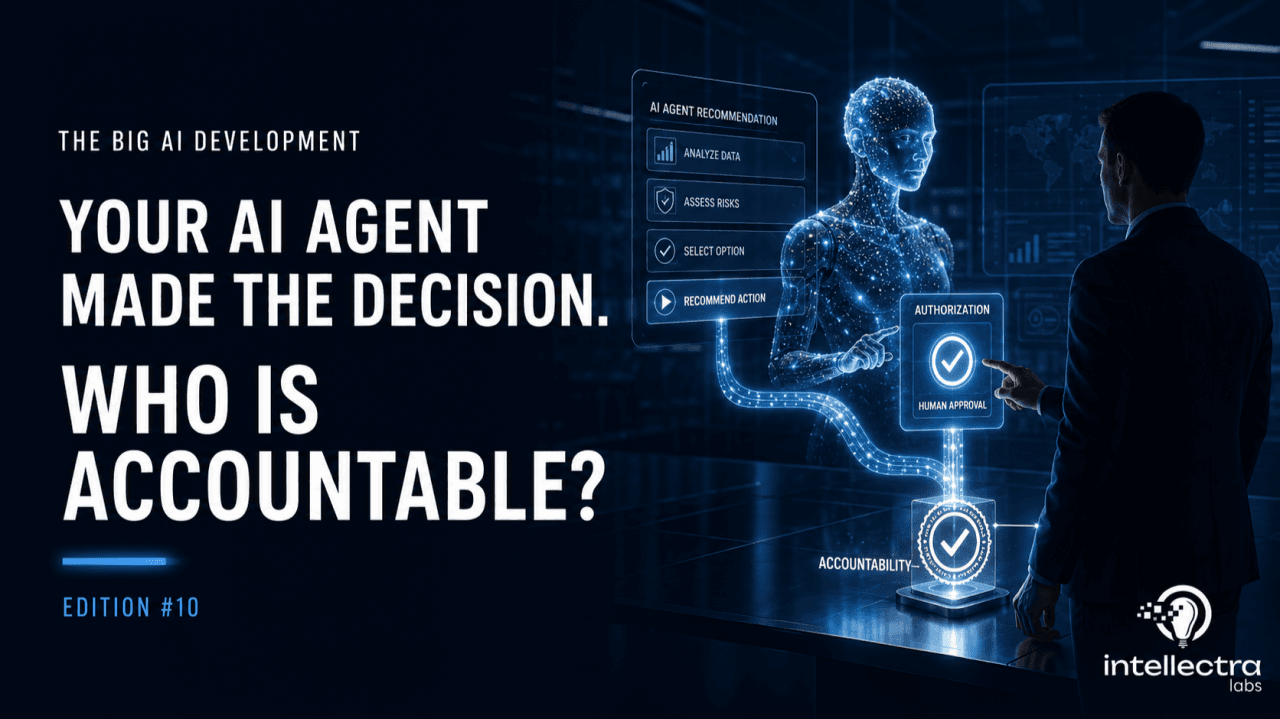
When agents act, accountability cannot disappear into the model. Governance must define owners, boundaries and escalation before automation scales.

Agents without institutional memory repeat mistakes, re-learn context and undermine trust. Decision memory is becoming a strategic asset.

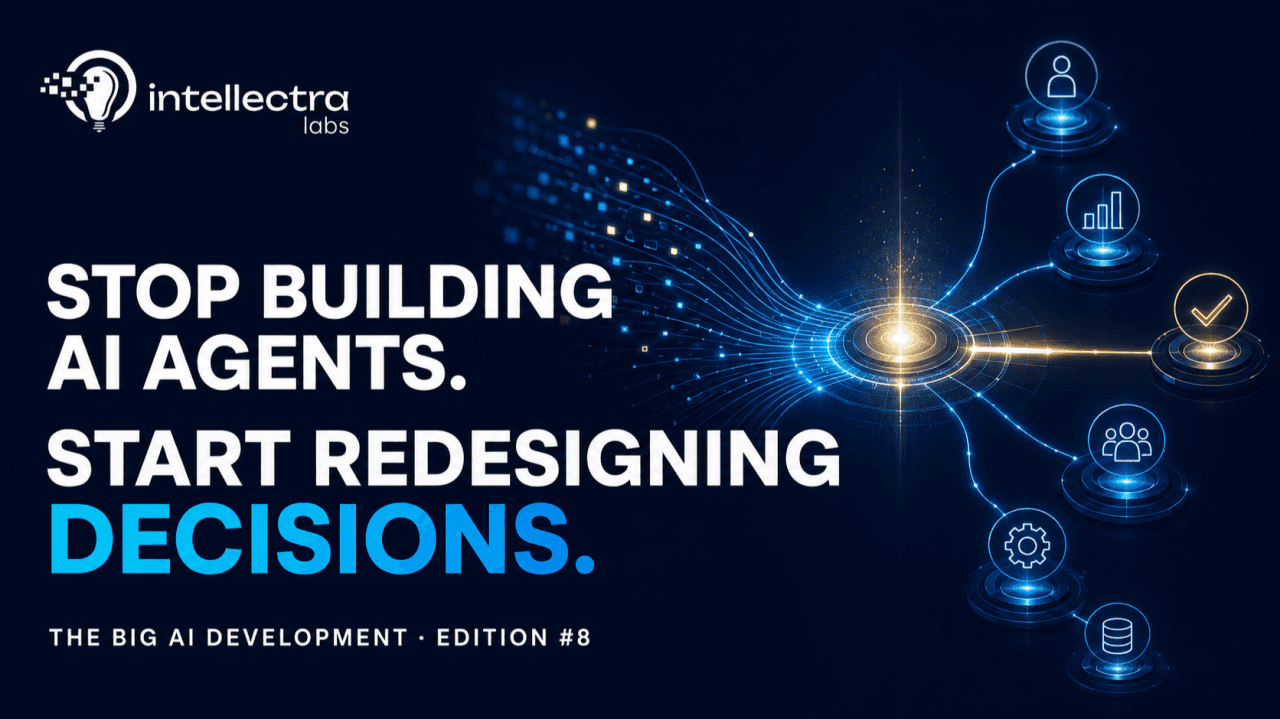
Agent lists impress in demos. Decision architectures change how the business runs. Start with the decisions that create, protect or destroy value.

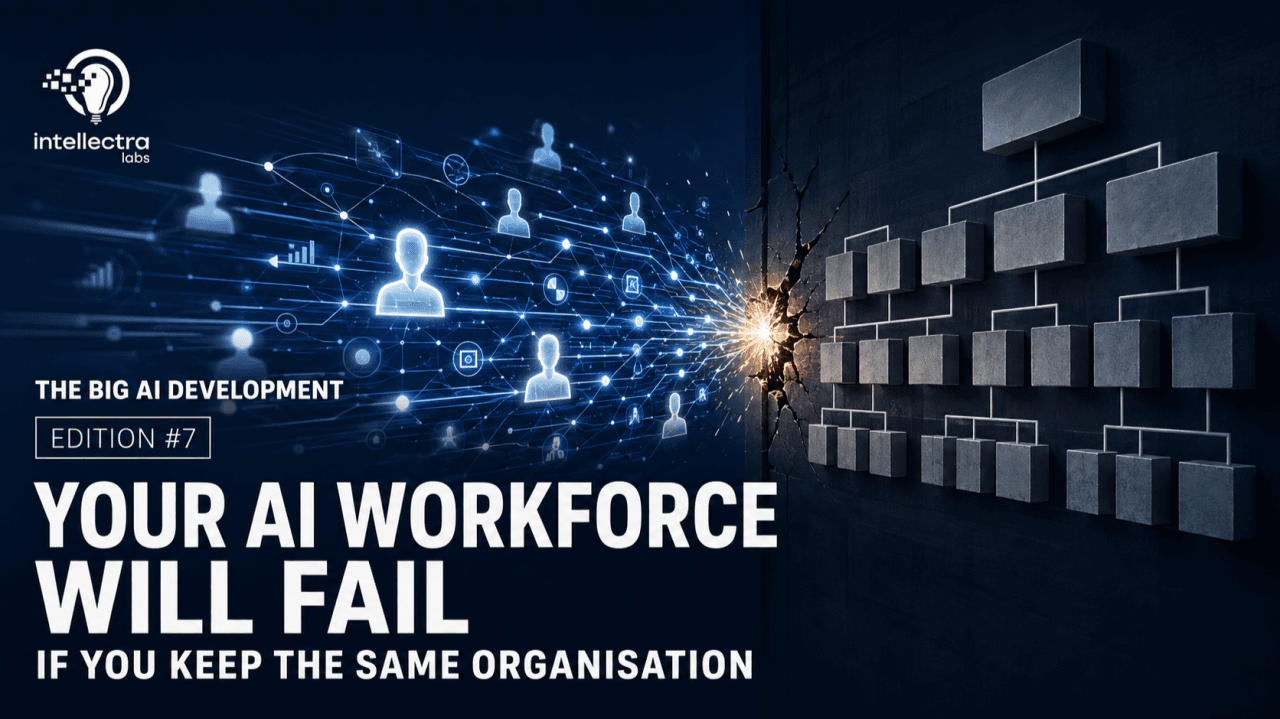
Adding agents to unchanged structures produces friction, shadow workflows and accountability gaps. Organisational redesign is not optional.

Agent platforms are multiplying. Leaders must distinguish durable operating capability from vendor enthusiasm and market narrative.

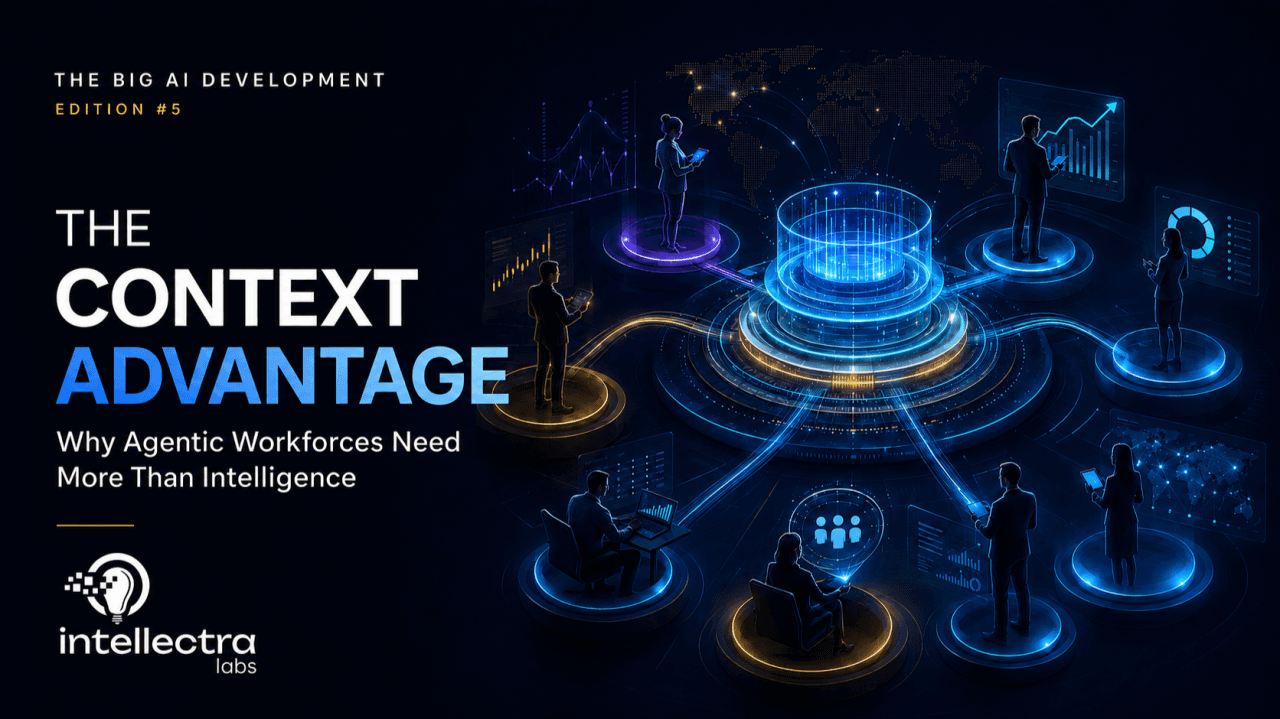
Intelligence without context produces confident irrelevance. Context engineering connects agents to the knowledge, signals and decisions the business actually runs on.

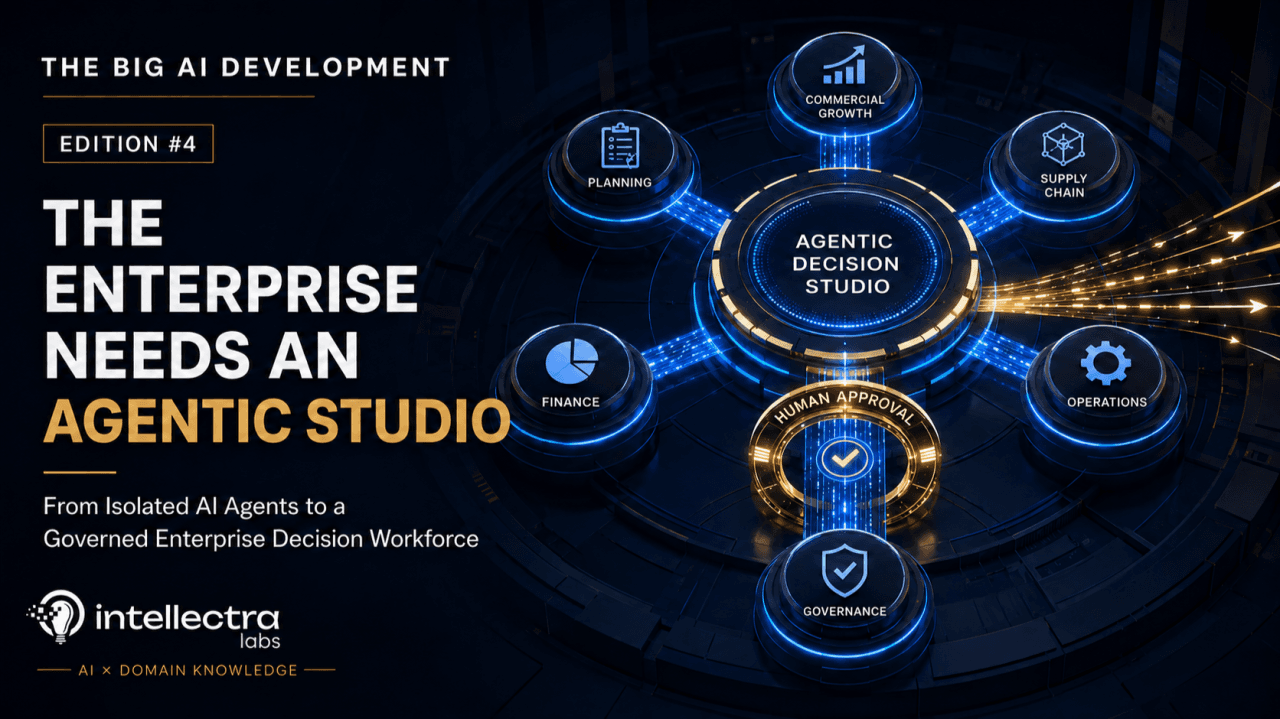
Isolated agents multiply. An agentic studio coordinates design, deployment, governance and learning across the enterprise.

Assistants answer questions. Actors take action. As AI crosses that boundary, enterprises must redesign accountability, controls and operating models.

An agent that solves the wrong problem elegantly can cost more than the problem itself. Domain knowledge reduces rework, token waste and organisational friction.

Generic AI deployments stall when they ignore how value is created in a specific industry. Domain-led AI begins with the decisions, constraints and language of the business—not the model catalogue.

About the author
Nanda Kishore Banda is the Founder of Intellectra Labs and an enterprise strategist with more than 25 years of experience across FMCG, CPG, commercial growth, integrated planning and decision intelligence. He writes about the intersection of strategy, markets and artificial intelligence.
Related book
A Step-by-Step Guide to Creating AI Agents and an Agentic Roadmap for FMCG and CPG Organizations of Every Size
View book